Default
Three years leading design at a revenue platform. Trial to paid 18% to 24% over 90 days.
Overview
Default is a revenue platform for go-to-market teams, built to replace a handful of separate tools with one workflow. Max joined as founding designer and became design lead.
He designed the workflow builder three times over, moved the product from a list of records to a system of records, and built the design system under both. When the enterprise tier had a fixed date, he wrote a cut list first and shipped pricing, onboarding and admin controls on time.
- Trial to paid
-
18%to 24% - Workflow builder iterations
- 3
- To ship the enterprise tier
- 6 weeks
Default is a revenue platform for go-to-market teams. It set out to replace five to seven separate tools with one integrated workflow.
Max joined as founding designer in January 2023 and became design lead, in a team of two designers and eight engineers. Over three years he led the product through three changes of scope: the workflow builder, pricing, guided setup and the design system under them.
The Default team reported trial to paid moving from 18% to 24% over 90 days. Other figures are company-reported: 1.8× developer velocity after the design system work, $2.5M in ARR attributed to UX improvements, and 40% fewer support tickets.
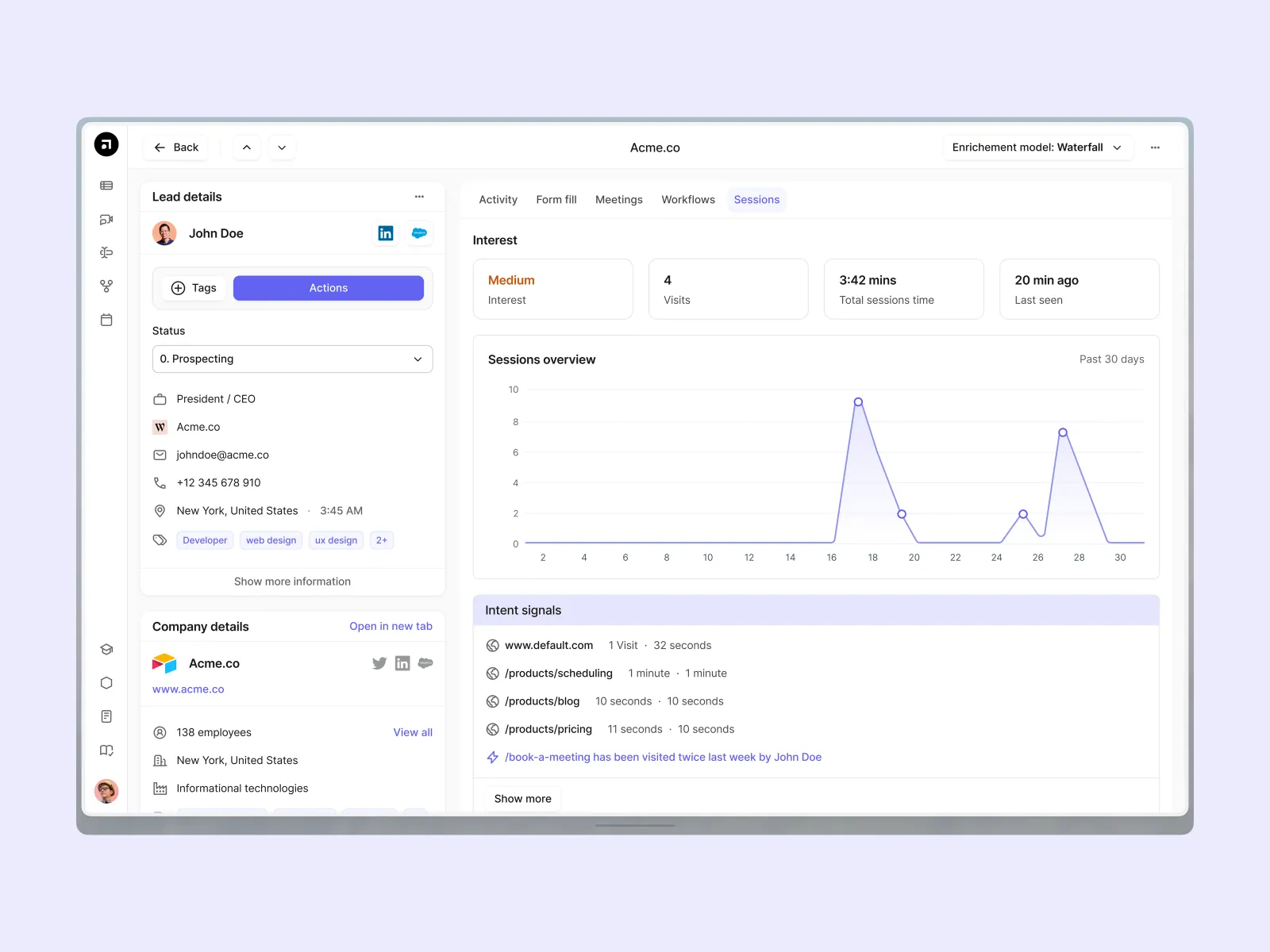
Twelve beta customers, no design system
Default set out to give go-to-market teams one platform in place of five to seven separate tools. When Max joined as founding designer there was a working prototype, 12 beta customers and no design system. The product worked, but little held it together.
The brief changed three times: twice after the CEO came back from a conference, and once when market feedback overturned the pricing model. There was no research budget, so Max worked from recorded sales calls, support tickets and 15-minute check-ins with customers.
Six weeks for the enterprise tier
The enterprise tier had a fixed date: six weeks to redesign pricing, onboarding and admin controls. Max spent the first two on an audit. He mapped every screen, found the 20% of features that 80% of users touched, and wrote a cut list of everything that would not ship in the first version.
Weeks three and four ran on two tracks: tokens and core components on one, the new pricing flow on the other. In week five he designed in the morning and reviewed the build with the engineers in the afternoon. In week six the release went to 50% of new trials, with tracking on the key flows.
What was cut to ship on time
A custom analytics dashboard went first, because customers could already export to their own BI tools. AI recommendations moved to a later version: there was no proven use for them yet. Three admin views became one settings page. Dark mode waited until month three, though the tokens already supported it.
Three versions of the workflow builder
The workflow builder shows a revenue team how each lead moves, step by step. Max designed it three times, each version shaped by user feedback and by the hypotheses the one before had confirmed.
The records side changed too, from a list of records to a system of records and one central place for the data. Kanban view, calendar view and opportunities waited, so the core could ship first.
Results
- Trial to paid
-
18%to 24% - Over 90 days, as reported by the Default team.
- Workflow builder iterations
- 3
- Each one shaped by user feedback.
- To ship the enterprise tier
- 6 weeks
- Pricing, onboarding and admin controls, redesigned.
A cut list first. Then system and features, side by side.
Max kept the 20% of features that 80% of users touch and left the rest out of the first version. Then he built the tokens and core components while he redesigned pricing, onboarding and admin controls. The system paid off later. The features shipped in six weeks.
Scope
- Workflow builder, three iterations
- Unified dashboard: pipeline, activities and team performance
- Pipeline management with drag-and-drop stages
- Role-aware onboarding with guided setup
- Pricing flow and the enterprise tier
- Admin controls and integration hub
- Token system and core components